Why Students Feel Lost After Choosing a Degree
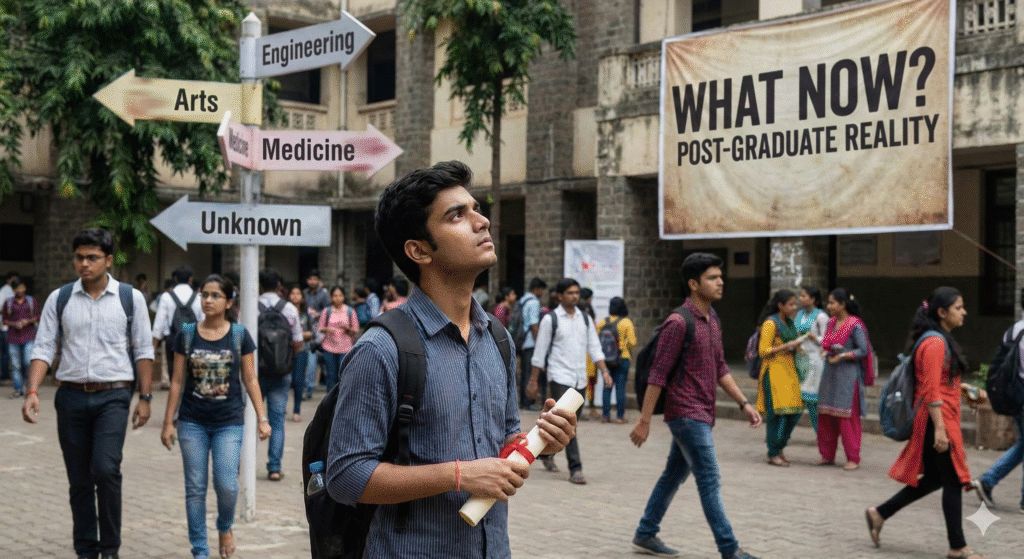
Why students feel lost after choosing a degree is one of the most common yet least discussed problems in today’s education system. Every year, thousands of students select a degree with hope and excitement, believing it will define their future. However, just a few months or years into college, many of them begin to feel confused, disconnected, and unsure about their choices. This emotional and mental confusion often leads to anxiety, self-doubt, and fear about the future.
This feeling of being “lost” does not mean the student is weak or incapable. In reality, it highlights deeper issues within how degrees are chosen, how careers are explained, and how societal pressure shapes decisions. Understanding why students feel lost after choosing a degree is the first step toward solving this growing problem.
Choosing a Degree Without Real Self-Awareness
One major reason why students feel lost after choosing a degree is the lack of self-awareness at the time of decision-making. Most students choose their degree between the ages of 16 to 18, when they are still discovering their interests, strengths, and personality. At this age, it is extremely difficult to predict what kind of work environment, lifestyle, or responsibilities will suit them long term.
Many students choose degrees based on marks, stream availability, or what seems “safe” rather than what truly aligns with their skills. As a result, once the academic reality sets in, they start feeling disconnected from the subjects they study. This mismatch between personal inclination and academic path becomes a major reason why students feel lost after choosing a degree.
Parental and Societal Pressure
Another strong reason why students feel lost after choosing a degree is external pressure. Parents often encourage degrees that they believe offer stability, respect, or financial security. Society, relatives, and even teachers tend to promote conventional paths like engineering, medicine, commerce, or management, often ignoring individual passion.
While these intentions are usually well-meaning, they can push students into paths they never emotionally chose. Over time, students realise they are living someone else’s expectations. This internal conflict leads to dissatisfaction, guilt, and confusion. The pressure to not disappoint family members often prevents students from expressing their true feelings, deepening the sense of being lost.
Lack of Career Exposure Before College
Many students feel lost after choosing a degree because they never had real exposure to how careers actually work. Degrees often show only the academic side, not the practical realities of jobs. Students enter college imagining an exciting career but are later shocked by the theoretical syllabus, competitive job market, or monotonous work roles.
Internships, real-life projects, and professional interaction usually come much later, sometimes after graduation. By then, students realise that the career associated with their degree does not match their expectations. This gap between imagination and reality is one of the most powerful reasons why students feel lost after choosing a degree.
Degrees No Longer Guarantee Careers
In earlier generations, a degree almost guaranteed a stable job. Today, that is no longer true. One of the biggest reasons why students feel lost after choosing a degree is the uncertainty of employment. Students see graduates struggling for jobs, working in unrelated fields, or earning less than expected.
This creates fear and confusion. Students start questioning the value of their degree and whether it will actually lead to a successful future. When effort does not seem to match outcomes, motivation drops. This mismatch between expectations and outcomes contributes heavily to why students feel lost after choosing a degree.
Comparison Culture and Social Media Pressure
Social media plays a major role in intensifying confusion. Students constantly see peers achieving milestones, starting businesses, moving abroad, or earning well. This comparison culture makes students doubt their own journey, even if they are doing fine.
When students compare their slow, uncertain progress with curated online success stories, they start feeling behind. This emotional pressure amplifies self-doubt and leads to the feeling of being directionless. Comparison is a silent but powerful reason why students feel lost after choosing a degree in today’s digital world.
Fear of Making the “Wrong” Choice
Another reason why students feel lost after choosing a degree is the fear that they have already made a permanent mistake. Many students believe that one wrong decision can ruin their entire future. This mindset creates panic and prevents experimentation or change.
Instead of exploring interests or adding new skills, students remain stuck in overthinking mode. The fear of wasted years, money, or effort keeps them mentally trapped. This emotional burden adds to the feeling of being lost and unsure.
Lack of Guidance and Mentorship
Students often feel lost after choosing a degree because they lack proper guidance. Schools and colleges focus heavily on academics but rarely offer personalised career counselling. Students are expected to “figure things out” on their own, even though the career landscape is complex and constantly changing.
Without mentors, students rely on random advice from the internet, peers, or unverified sources. This scattered information increases confusion instead of clarity. Proper guidance at the right time could prevent many students from feeling lost after choosing a degree.
Changing Interests Over Time
It is completely normal for interests to evolve. However, many students feel guilty or scared when their interests change after choosing a degree. They believe they must stick to their original choice, even if it no longer excites them.
As students grow, gain exposure, and learn about new fields, their priorities shift. Ignoring these changes leads to frustration and emotional burnout. Accepting that growth is natural is essential to understanding why students feel lost after choosing a degree.
How Students Can Regain Clarity
Feeling lost does not mean failure. It often means reflection and growth. Students can regain clarity by first understanding themselves better—identifying interests, strengths, and values. Exploring internships, side projects, and certifications can help bridge the gap between degree and career.
Talking to professionals, mentors, or career experts provides real-world perspective and reassurance. Small experiments, rather than drastic decisions, help students build confidence. Clarity is not found overnight; it is built step by step.
Final Thoughts
Why students feel lost after choosing a degree is a question rooted in systemic issues, emotional pressure, and lack of guidance. It is not a personal flaw but a reflection of how complex career decisions have become. Feeling lost is often the beginning of self-discovery, not the end of success.
With the right support, exposure, and mindset, students can turn confusion into clarity and create meaningful career paths—even if they look different from traditional expectations. The key is to remember that a degree is just one part of the journey, not the destination itself.